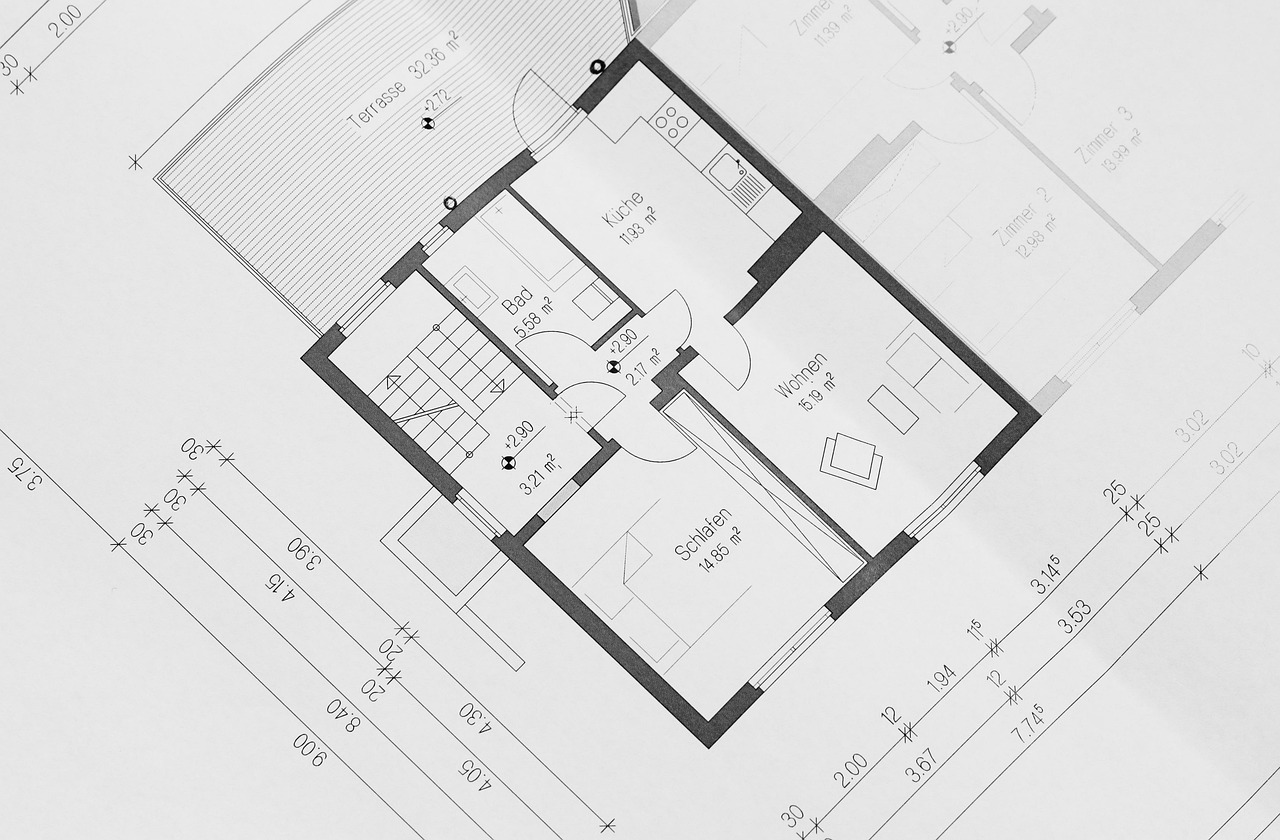
Architectural requests (new fences, repainting, additions, solar panels, sheds) are one of the most common friction points between an HOA and its homeowners. The complaint is almost never about the rule itself. It’s about the process: requests that vanish for weeks, unclear reasons for a denial, or one homeowner seeming to get approved faster than another. The fix isn’t looser rules. It’s a clearer process.
What a good architectural request process needs
1. A single, clear submission method
Homeowners shouldn’t have to guess whether to email the board president, drop a paper form in a mailbox, or post in a Facebook group. One submission method, listed in one obvious place, eliminates half of the “did you get my request?” follow-ups.
2. A stated review timeline
Most governing documents already specify a review window (30 days is common). The problem is rarely the timeline itself, it’s that homeowners don’t know it exists. Publishing the timeline alongside the submission process sets expectations up front and gives the board (or management company) a deadline to work against.
3. Visible status, without a phone call
“Submitted,” “under review,” “approved,” “denied with reason”: homeowners want to see where their request stands without having to track down a board member. This alone resolves most of the frustration in this process, even before a decision is made.
4. Consistent criteria, written down
Two identical fence requests should get the same answer. That only happens reliably when approval criteria are documented somewhere everyone (including new board members or a new management company) can reference, rather than living in one person’s memory of “how we’ve always done it.”
5. A documented record
Every request and decision should be logged with a date, the reasoning, and who approved it. This matters for consistency, and it matters if a denied homeowner ever disputes the decision; a paper trail protects the board or management company as much as the association.
This applies whether you’re self-managed or professionally managed
Self-managed boards tend to struggle with this because there’s no dedicated staff to own the process, it falls to whichever board member has time that week. Management companies handling several communities have the opposite problem: without a system, tracking which request belongs to which community, at what stage, becomes its own administrative burden as the portfolio grows. Either way, the fix is the same: get the process out of email threads and into a system that tracks status, timelines, and history automatically.
How Dometta handles this
Dometta includes architectural request tracking as a core feature: homeowners submit through the same portal they use for payments and communication, boards or management staff review and respond with a visible status, and everything is timestamped automatically. It works the same way whether it’s one self-managed community or a management company juggling several. Take a look at the Features page for the full rundown, or get in touch with questions about your specific setup.